Magical Realism: Your Favorite Genre Has a Name
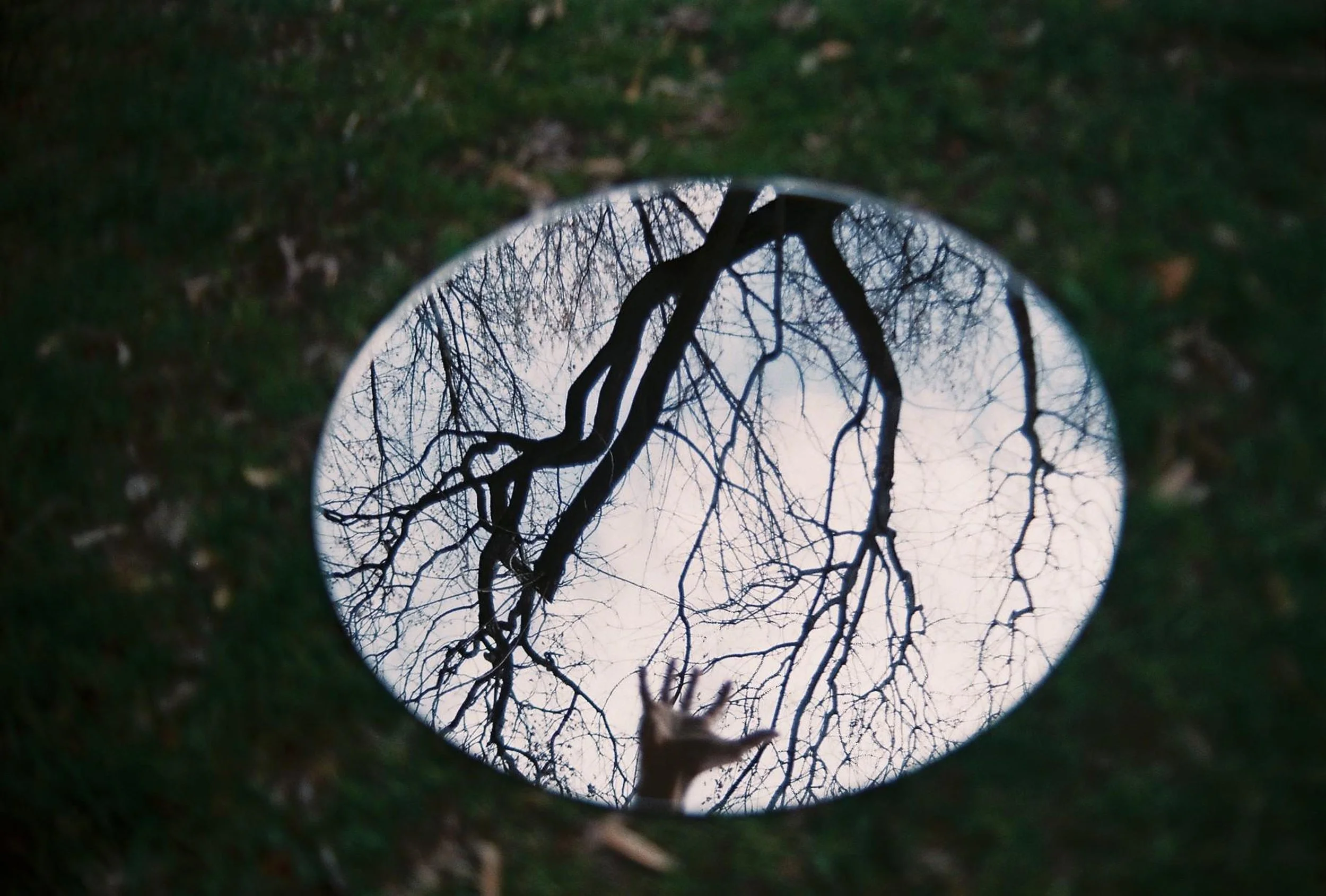
Magical realism is both a literary and artistic genre which blends magical elements into a realistic setting. It is separate from fantasy, as the line between what is magic and what is reality is blurred. There isn’t a magic closet to another world, the discovery of witches living under our noses, nor a haunting that needs escaping from. These supernatural phenomena simply exist alongside reality. The characters accept these fantastical events as a matter-of-fact, completely ordinary part of life. Instead of explaining the magic through mythology, technology, spells, or an entirely alternate world, there is no explanation at all. The device’s use is to express emotion or emphasize an aspect of reality to the reader. Examples can include food imbuing feelings to the eater, a ghost living alongside a family, or time itself moving cyclically. This is what distinguishes magical realism from fantasy, as the latter contains rules about how magic, creatures, or alternate worlds work, or even makes magic central to the plot. Whereas in magical realism, the supernatural is an integrated part of reality as a whole. Unlike fantasy’s coming-of-age, adventure, and escapism, magical realism uses the supernatural to represent real world experiences that are often difficult to express. The magic communicates what those experiences feel like: inheriting forgotten history, grief haunting generations, trauma distorting time. This offers psychological truths a visible form. It is also useful to contain a criticism of society, power structures, or the social elite and government in power.
“The world was so recent that many things lacked names, and to mention them you had to point your finger at them.”
—Gabriel García Márquez, One Hundred Years of Solitude
The origin of the term is credited to German art critic Franz Roh in 1925, in reference to an art technique called New Objectivity, reflecting the uncanniness and magical nature of the rational world. It is similar to surrealism, yet is distinct in that it is not merely of dreams and the subconscious but pure matter. Literary magical realism predominantly is associated with Latin-American literature, known as realismo magico, and includes authors like Gabriel García Márquez, Jorge Luis Borges, and Isabel Allende. The genre is not exclusive to Latin American voices, as authors from many cultural traditions employ similar devices, thus the push to redefine the term to be called ‘cultural realism’ to include authors such as Haruki Murakami, Olga Tokarczuk, and Alice Hoffman.
Life today is still filled with experiences that feel unreal: impossible political events, technology that reshapes habits overnight, tragedies witnessed through screens, and global events that distort time. When a miracle feels ordinary, the real world seems completely absurd. Magical realism provides a language for this instability, reflecting the truth that we do not experience life as a linear collection of facts. We experience it through memory, belief, emotion, culture, and most importantly, imagination. Why force reality and wonder into separate categories? By challenging dominant ideas about reality and knowledge, magical realism expands not only what stories can contain, but also whose experiences can be recognized as true. Who has the authority to define what is real? It resists hierarchy, placing scientific and Western reasoning alongside spirituality, folklore, ancestral memory, and oral tradition without determining one to be more legitimate than the other. There are multiple ways to understand the world, together. It invites us to see more, not less, of reality. Sometimes the most honest way to describe the world is to admit that it has always contained more than we can explain.
Here is a short list of some of our favorites in the genre:
Alejo Carpentier, The Kingdom of This World
Alice Hoffman, The World That We Knew
Gabriel García Márquez, One Hundred Years of Solitude
Isabel Allende, The House of the Spirits
Jorge Luis Borges, Ficciones
Juan Rulfo, Pedro Paramo
Laura Esquivel, Like Water for Chocolate
Mikhail Bulgakov, The Master and Margarita
Olga Tokarczuk, Primeval and Other Times
Salman Rushdie, Midnight’s Children
Shokoofeh Azar, The Enlightenment of the Greengage Tree
Toni Morrison, Beloved
May you continue to find the extraordinary in the ordinary!